
What's the Weather Like in Nashville? A Seasonal Packing Guide
One of the first questions visitors ask is what the weather is like in Nashville, and the answer shapes how you pack and when you go. Nashville has four distinct seasons, and the temperature, rain, and crowds swing hard across the year. Knowing what to expect makes for a smoother trip, whether you are chasing ideal weather or planning around a specific event. Here is a season by season look at Nashville weather and what to pack for each.
What is the weather like in Nashville by season?
Spring, from March through May, is mild and green, with comfortable days ideal for walking the neighborhoods. Late spring can bring storms, so a rain layer helps. Summer, June through August, is hot and humid, with highs regularly in the upper eighties and beyond. Fall, September through November, brings the most comfortable weather of the year, cooler and crisp. Winter, December through February, is cool and quieter, rarely extreme but chilly enough for a warm coat.
Each season has its trade offs between weather, crowds, and cost, so there is no single best time, only the one that fits your group.
What should you pack for summer in Nashville?
Summer calls for light, breathable clothing and serious sun protection. Highs are hot and the humidity makes it feel hotter, so pack for heat, bring a refillable water bottle, and plan for breaks in the shade or air conditioning during the hottest part of the day.
Since summer is also peak tourist season, expect strong energy on Broadway alongside the heat. Comfortable shoes matter, since a good Nashville trip involves a lot of walking regardless of the temperature.
What should you pack for fall?
Fall is the sweet spot, but it swings. A warm afternoon can turn into a cool evening, especially later in the season, so layers are the move. A light jacket or sweater for the evenings, comfortable shoes for the walking, and a rain layer just in case will cover most fall days.
If your trip includes an outdoor event or a game day, plan to be outside for a while and dress a little warmer than the midday temperature suggests. Check the forecast close to the trip, since early fall still runs warm.
What should you pack for spring and winter?
Spring is mild but wet at times, so pack layers and a light rain jacket. It is a great season for walkable neighborhoods before the summer heat sets in. Winter is cool and calls for a warm coat and layers, though it rarely gets extreme. Winter also tends to be quieter and cheaper, a plus if you do not mind bundling up.
Whatever the season, a portable charger for long days out and comfortable shoes are worth packing every time.
Does the weather change what you should stock for your trip?
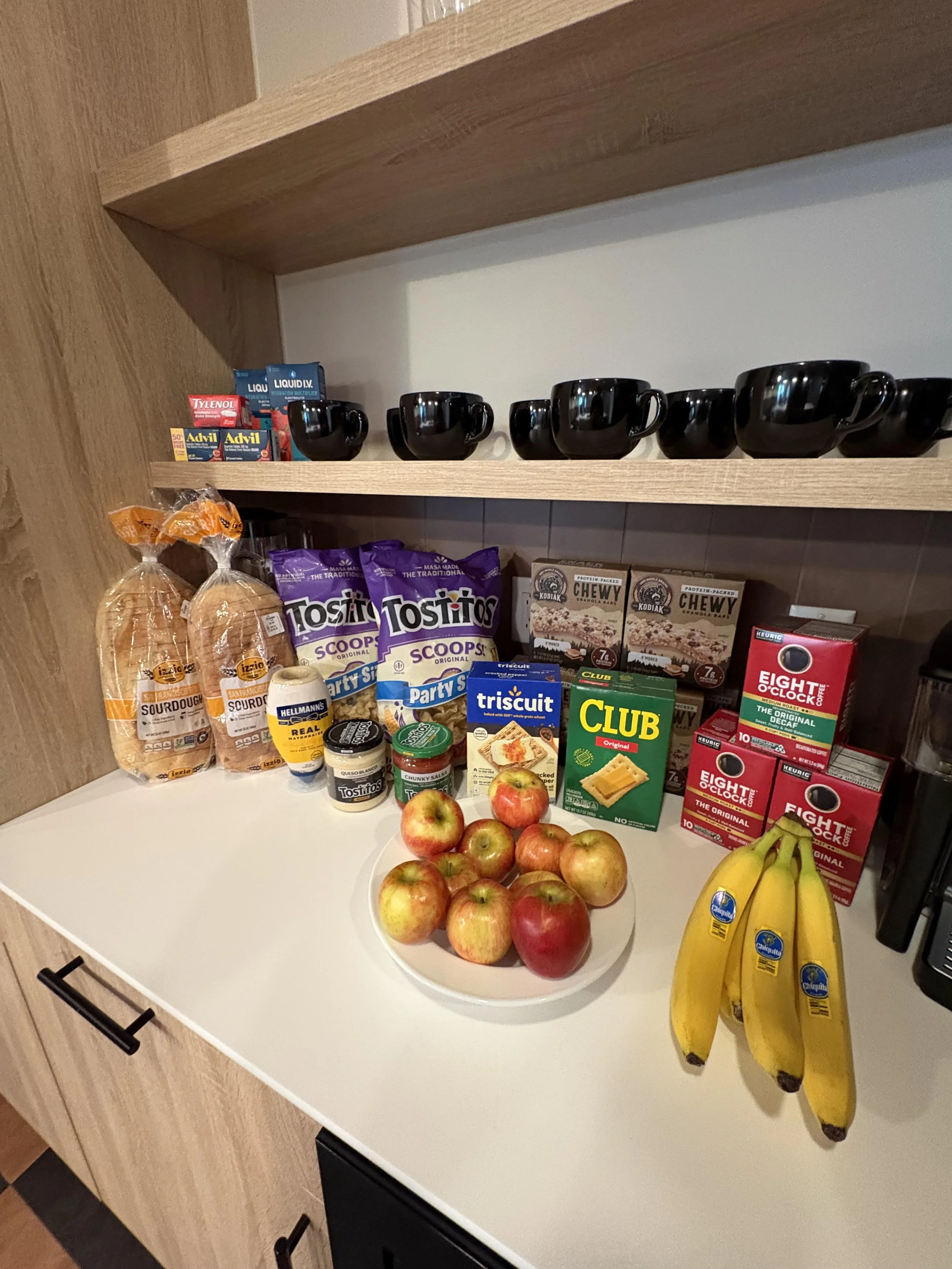
A little. Summer trips lean heavier on water, electrolyte drinks, and cold items to beat the heat, while fall and winter trips often add warm breakfast items and comfort snacks. Either way, the core stays the same, coffee, breakfast, drinks, mixers, and snacks, adjusted to the weather.
Having it handled before arrival is the same value in any season. Booking Nashville fridge stocking means the kitchen is set up when you check in, so you are not making a store run after a travel day no matter the forecast.
How hot does Nashville get in summer?
Summer in Nashville is genuinely hot and humid, with highs regularly in the upper eighties and often into the nineties, and the humidity makes it feel warmer. Evenings stay warm too, so a summer night out rarely calls for more than light clothing. If you are visiting in summer, plan the most active parts of the day for the morning or evening and build in breaks in the shade or air conditioning during the hottest hours.
The heat does not slow Nashville down, since summer is peak season, but it does mean hydration matters. Water and cold drinks waiting at the stay make a real difference on a hot arrival day.
What is the rainiest time of year?
Spring is the wettest stretch, with pop up storms most common from late spring into early summer. Rain rarely lasts all day, but it can move in quickly, so a light rain layer and a flexible plan help. Fall and winter are generally drier, which is part of what makes fall such a comfortable season to visit.
Checking the forecast a few days before the trip lets you pack right and build a loose backup plan for any rainy afternoons, like shifting to indoor spots and neighborhoods with covered options.
Does the weather affect what to do?
It does. Hot summer days favor indoor and evening activities, while mild fall and spring days are ideal for the walkable neighborhoods, patios, and outdoor group activities like pedal taverns. Winter pushes more toward indoor music venues, restaurants, and cozy bars. Matching the plan to the season keeps the group comfortable rather than fighting the weather.
Building a little flexibility into the itinerary means a hot afternoon or a passing storm changes the plan rather than derailing it.
When is the best weather to visit Nashville?
Fall is widely considered the best, with comfortable temperatures and a packed events calendar. Early spring is the other strong window, mild before the summer heat and storm season. Both are popular, so plan earlier if your trip lands in those seasons, since rentals and reservations fill fast.
If you prefer smaller crowds and lower prices over perfect weather, the quieter winter stretch and midweek stays in any season are worth considering.
What is the best month to visit Nashville?
October is a favorite, with comfortable temperatures, lower humidity, and a full events calendar, which is why fall in general draws so many trips. September and November are close behind for similar reasons. On the spring side, April and early May offer mild weather before the summer heat, though with a higher chance of rain. If you want smaller crowds and lower prices, the winter months trade warmth for value.
There is no wrong month, only trade offs between weather, crowds, and cost. Pick the window that matches what your group cares about most, then book early if it lands in the popular fall stretch.
How do you prepare for changing weather?
Nashville weather can shift within a day, especially in spring and fall, so flexibility helps. Pack layers you can add or remove, keep a light rain option in the bag, and check the forecast a few days out so nothing catches you off guard. Building a loose backup plan for a rainy afternoon, like indoor music venues or neighborhood shopping, keeps a surprise storm from derailing the day.
The groups that handle weather well are the ones who packed for range and stayed flexible, rather than betting the whole trip on an ideal forecast.
Plan for the weather, then arrive ready
Once you know the season and what to pack, the last step is getting the stay ready for the group. Whatever the forecast, send your list and let the shopping and setup happen before you arrive. Browse options and reserve your date on our shop page. Pack for the season, book early, and arrive to a Nashville trip that is ready to go.