
Nashville's apartment and HOA market has gotten more competitive over the last few years, and resident amenity programs have become one of the clearer ways properties differentiate themselves from the next listing down the street. Grocery stocking is a newer addition to that list, and it works differently as a property-level perk than it does as a one-off individual order, which is worth understanding before pitching it internally or to a board.
© 2026 Music City Weekend Co., LLC. All Rights Reserved.
Why Residential Amenity Programs Are Changing
Standard amenities, a pool, a gym, a clubhouse, don't move the needle the way they used to, since nearly every new property offers the same basics and prospective residents have stopped seeing them as differentiators. Properties looking to stand out are shifting toward service-based perks that actually solve a problem for residents rather than just checking a box on a listing page or a leasing tour script.
A move-in stocking perk or a resident grocery benefit falls squarely into that category, since it solves a real, recurring need instead of adding another underused shared space that costs money to maintain and rarely gets used at the rate that justified the investment.
What a Grocery Stocking Perk Looks Like in Practice
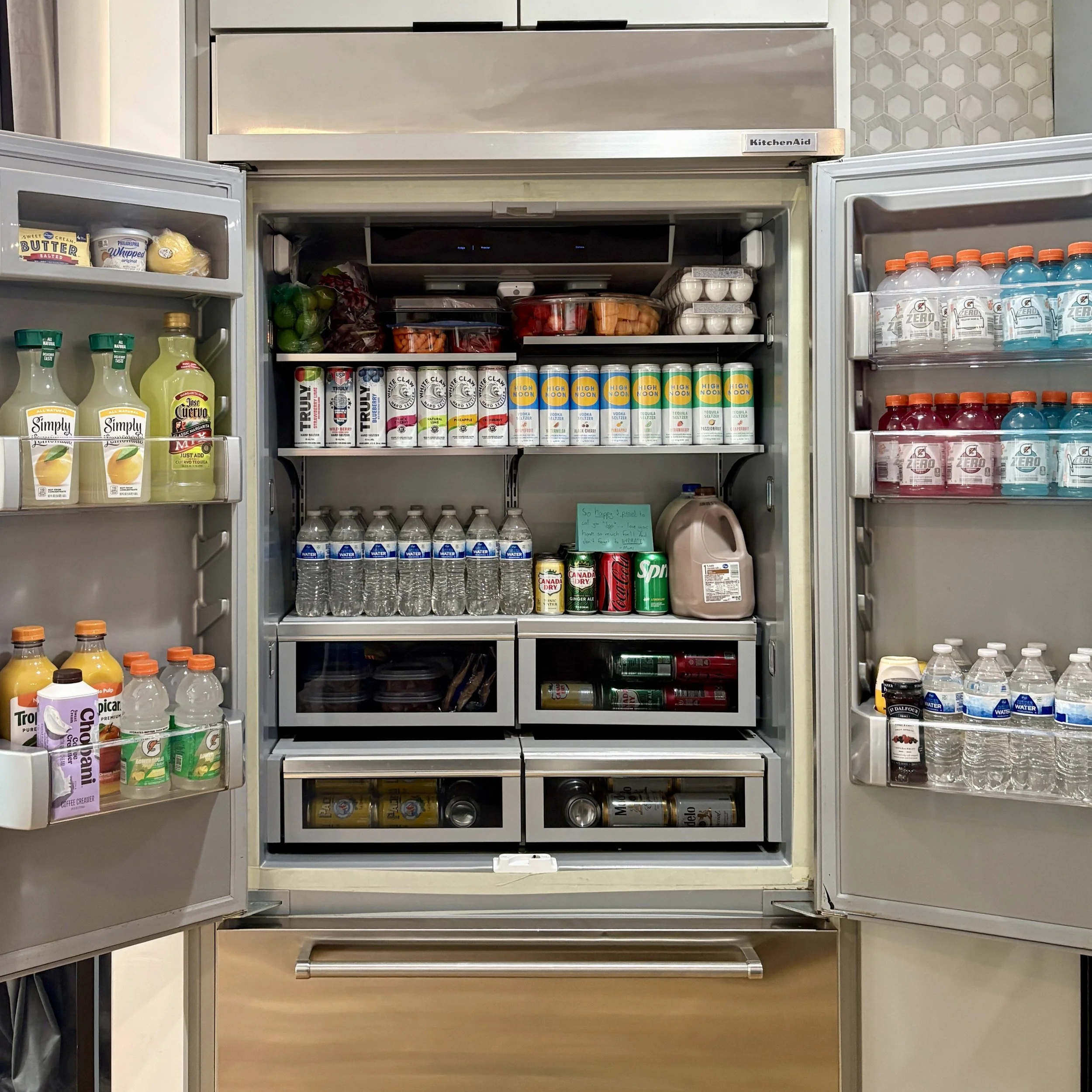
In practice, this usually takes one of two forms. Some properties offer a one-time stocking credit as part of the move-in package, so a new resident arrives to a kitchen with basics already on hand instead of an empty fridge on top of an already stressful moving day full of boxes and logistics. Others build it into an ongoing resident benefit, offering discounted or subsidized access to grocery stocking as an amenity residents can use whenever they want, similar to how a property might offer a dry cleaning pickup or package concierge service as a standing perk.
Move-In Day Is the Obvious Use Case, But Not the Only One
Move-in is the easiest starting point since the value is immediate and obvious to a new resident who's spending their first day surrounded by boxes with no time to think about groceries. But it's not the only application. Properties with a high volume of corporate or short-term leases can offer it as a welcome perk for every new lease signing, a low-cost way to make a strong first impression on residents who may be comparing several properties.
HOAs managing a community with a mix of full-time residents and seasonal or vacation homes can offer it as a pre-arrival service for owners returning after time away, so a house or condo doesn't sit with an empty fridge on arrival after a long drive or flight back to Nashville.
Comparing This to Other Popular Resident Perks
Properties considering a grocery stocking program often compare it against other trending resident perks like package concierge services, pet amenities, or fitness class credits. Grocery stocking tends to stand out because it solves a need every resident has, unlike a pet perk that only benefits pet owners or a fitness credit that only appeals to residents who'd already use a gym. It also requires a much lighter operational lift than something like an on-site package room or a staffed amenity space, since the entire service is handled externally rather than requiring the property to manage inventory, scheduling, or physical space on-site.
How Pricing Works for a Property vs. an Individual Order
Property-level programs typically run on either a flat credit per resident or a negotiated discount structure, distinct from the standard $99 flat fee an individual order runs on. The specifics depend on volume and how the property wants to structure the benefit, whether that's a one-time move-in credit, an ongoing subsidized rate, or a straightforward referral arrangement with no cost to the property at all beyond simply making residents aware the option exists.
Properties with higher lease turnover tend to see the most value from a structured, ongoing arrangement rather than a one-off credit, since the benefit compounds across every new resident cycling through the community over time.
Setting It Up Without Adding Staff Work
The properties that get the most value from this kind of program keep their own involvement minimal. Rather than managing orders internally, the property simply makes residents aware the option exists, through a welcome packet, a resident portal, or a move-in email, and residents book directly. No inventory, no staffing, and no added workload for property management staff who already have enough on their plate managing leasing, maintenance, and day-to-day operations.
Positioning It as a Marketing Point for Leasing
Beyond the direct resident benefit, a grocery stocking amenity gives leasing teams something concrete and memorable to mention during property tours, distinct from the standard list of amenities every competing property advertises. It's the kind of detail prospective residents remember and mention to friends, functioning as a quiet differentiator in a market where most amenity lists have started to look identical from one property to the next.
Quick Questions About Residential Grocery Amenity Programs
Does this require the property to handle any part of the grocery order? No. Residents book and submit their own list directly, and the property's involvement is limited to communicating that the benefit exists.
Is this a good fit for smaller HOAs, not just large apartment complexes? Yes. It scales down just as well as it scales up, since each order is handled individually regardless of the size of the community offering it.
Can this work as a resident referral program instead of a subsidized perk? Yes. Some properties choose a no-cost referral structure rather than covering any part of the expense themselves.
How is this different from a standard fridge stocking order? The service itself works the same way. What changes is how it's introduced to residents and how, or whether, the cost is subsidized by the property.
Can this be limited to move-in day only, rather than an ongoing benefit? Yes. Properties can structure this however fits their budget and goals, whether that's a one-time move-in credit or a standing resident benefit.
How do we communicate this benefit to residents effectively? Including it in a welcome packet, a move-in email, or the resident portal tends to get the highest awareness, since residents see it at the point they're most likely to use it.
Does offering this perk require a contract or long-term commitment from the property? That depends on how the program is structured, though a referral-based arrangement with no cost to the property typically requires the least formal commitment to get started.
Can seasonal or vacation-home HOAs use this differently than a standard apartment complex? Yes. These communities often use it as a pre-arrival service for owners returning after time away, rather than strictly as a move-in perk for new leases.
Managing a Nashville property and interested in adding this as a resident perk? Reach out to discuss a program that fits your community.