
Best Time to Visit Nashville (and How Many Days You Need)
Timing shapes a Nashville trip more than most people expect. The weather, the crowds, the prices, and the events all swing hard by season, and the best time to visit depends on what your group is after. This guide breaks down Nashville season by season, covers how many days you actually need, and shows how to plan a group stay so the rental is ready the minute you get there.
There is no single right answer, since the best time depends on whether your group is chasing ideal weather, a specific event, lower prices, or smaller crowds. What is worth knowing is how each season trades those things off, so you can pick the window that fits your group instead of guessing. Once you know when you are going, the rest of the planning follows naturally from there.
© 2026 Music City Weekend Co., LLC. All Rights Reserved.
What is the best time to visit Nashville?
Fall, roughly September through mid December, is widely considered the best window. The heat breaks, the city is lively with events and football, and the atmosphere is at its peak. Early spring, from March through early April, is the other sweet spot, with mild weather before the summer heat and storm season set in.
Both windows are popular for a reason, which means they are also busy. If you are targeting fall, plan earlier, because rentals and reservations tighten up as the season fills.
What is each season like?
Spring brings mild temperatures and green surroundings, ideal for outdoor activities and walkable neighborhoods, though late spring can bring storms. Summer is hot and humid and also peak tourist season, so expect strong energy on Broadway alongside higher demand and prices. Fall delivers comfortable weather and a packed events calendar, which is why it draws so many group trips. Winter is quieter and cooler, with holiday charm and better deals if you do not mind bundling up.
There is no wrong season, only trade offs between weather, crowds, and cost. Match the season to what your group values most.
When is Nashville busiest?
Summer and fall are the heaviest, along with big event weekends throughout the year. Bachelorette and group travel runs strong across the warm months and into fall, so weekends in those windows book up first. If your dates are flexible, a weekday arrival or a shoulder season trip means better rental availability and lower prices.
The busier your chosen window, the earlier you should lock lodging and any reservations. Popular weekends are not the time to improvise.
How many days do you need in Nashville?
Two to three nights suits most trips. That gives you two full days plus partial arrival and departure days, enough to see Broadway, do a signature activity, have a nice dinner, and still keep the pace comfortable. Four nights works well if you want to add a day trip or a slower schedule, while a single night rarely feels like enough once travel time is subtracted.
For a group, err slightly longer rather than shorter, since larger groups move at a slower pace and appreciate the breathing room.
How does timing affect planning a group trip?
The busier the season, the more your logistics need to be handled in advance. During peak windows, everything from rentals to dinner reservations to delivery services fills up, so leaving details for the day you arrive is riskier. Booking early is not just about getting a spot, it is about getting the timing you actually want.
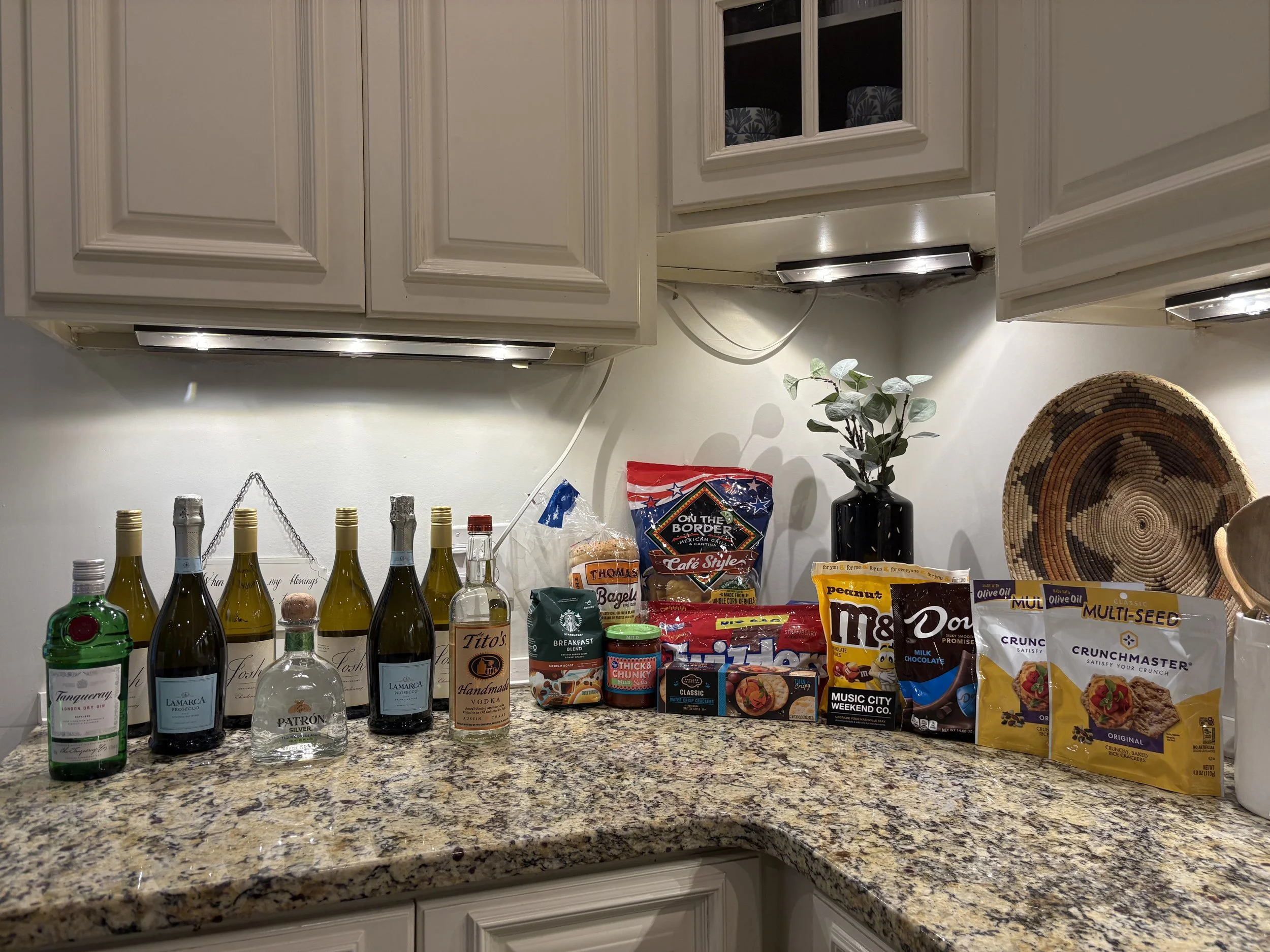
That includes stocking the rental. Around busy weekends, pre arrival delivery windows fill, so reserving your Nashville grocery delivery early protects the delivery slot that lines up with your check in and keeps day one free of a store run.
What should you book first?
Book lodging first, since it anchors the trip and the good group rentals go early. Next, lock any capacity limited activity and your main group dinner. Then handle the on the ground logistics, including pre arrival stocking and any rental amenities, so the house is ready when you arrive.
Working in that order keeps the big decisions from bottlenecking the small ones, and it means the details are handled well before you are packing.
Does the season change what you should stock?
A little. Summer trips lean heavier on water, electrolyte drinks, and cold items to beat the heat, while fall and winter trips often add warm breakfast items and comfort snacks. Either way, the core stays the same, coffee, breakfast, drinks, mixers, and snacks, adjusted to the weather and the group.
The value of having it handled before arrival does not change with the season. A ready kitchen saves the same hour on day one whether it is July or November.
What should you pack for the season?
Packing follows the season closely in Nashville. Summer calls for light, breathable clothing and sun protection, since the heat and humidity are real. Fall wants layers, because a warm afternoon can turn into a cool evening, especially later in the season. Spring is mild but wet at times, so a light rain layer is worth having. Winter is cooler and asks for a warm coat, though it rarely gets extreme.
Whatever the season, comfortable shoes matter more than almost anything else, since a good Nashville trip involves a lot of walking between honky tonks, neighborhoods, and activities. Dress for the day you have planned, and check the forecast close to the trip, since the shoulder seasons can swing.
How does the season affect prices?
Cost tracks demand. Peak windows in summer and fall, along with holiday and event weekends, bring the highest rental prices and the tightest availability. The quieter winter stretch and midweek stays in any season tend to be cheaper and easier to book. If budget is a bigger priority than perfect weather, a shoulder season or weekday trip stretches the money further.
The same logic applies to reservations and services. In the busy windows, booking early is not just about getting the timing you want, it is about avoiding the price climb that comes as availability shrinks. Plan the season around what your group values most, then book early enough to lock the pricing. A group that decides its dates a few months out almost always pays less and has more to choose from than one that waits until the trip is close.
Plan the timing, then handle the setup
Once you have picked your season and locked your dates and rental, the last step is getting the house ready for the group. Send your list, add any extras, and let the shopping and setup happen before check in. Browse everything and reserve your date on our shop page. Pick the right window for your group, book early, and arrive to a trip that is ready to go.